
 English
 German
 French
 Russian
 Spanish
 Japanese
 Korean
 Khmer
Khmer Portuguese
 Ukrainian
 Arabic
Essential Certifications for an Insulated Water Bottle Factory to Export Internationally
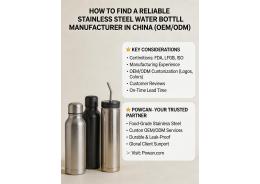
When it comes to insulated water bottles, quality, safety, and compliance are vital factors for international markets. If you own or work with a water bottle manufacturing factory aiming to export globally, acquiring key certifications is non-negotiable. Below, we discuss the certifications you should focus on.
1. ISO 9001: Quality Management Systems
ISO 9001 is a globally recognized certification that ensures consistent production quality. It provides a framework for establishing an efficient quality management system within the factory. With this certification, you can reassure international buyers about your commitment to delivering top-notch products.
2. FDA Certification
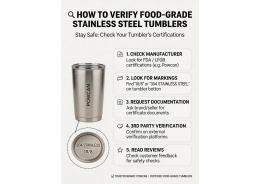
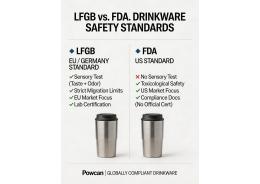
For exporting to the United States or markets requiring compliance with high food-grade safety standards, FDA certification is mandatory. This ensures that the materials used in insulated water bottles, such as lids and inner linings, are safe for consumer use.
3. LFGB: German Food Safety Standard
German LFGB certification is another important credential, particularly for European markets. This certification ensures that products meet stringent food safety regulations, verifying that they are non-toxic and chemically safe for use with food and beverages.
4. CE Marking
Any product sold in the European Union must bear the CE marking. Although it primarily applies to electronics and machinery, insulated water bottles with special functionality (e.g., built-in sensors or electronic temperature displays) must comply with CE directives.
5. SGS and TUV Testing
Partnering with third-party testing agencies like SGS or TUV can demonstrate compliance with international quality and safety standards. Buyers often look for these certifications as proof of rigorous product testing for durability, functionality, and environmental impact.
6. BPA-Free Certification
BPA (Bisphenol A) is a harmful chemical often associated with plastic products, including certain water bottles. Ensuring your bottles are BPA-free not only provides safety for your customers but also maintains compliance with regulations in stringent markets like the EU or North America.
7. Social and Ethical Compliance Certifications
Modern buyers and retailers value ethical manufacturing. Consider certifications like BSCI (Business Social Compliance Initiative) or SA8000, which emphasize fair labor practices, safe workplaces, and human rights.
8. REACH Compliance
For exporting within the European Union, compliance with REACH (Registration, Evaluation, Authorization, and Restriction of Chemicals) regulations is crucial. It ensures your products meet EU environmental and health standards by avoiding certain hazardous chemicals.
Conclusion
Obtaining these certifications not only opens up international markets for your insulated water bottle factory but also builds trust with customers and partners. By aligning with global standards, such as ISO, FDA, and LFGB, you signal your dedication to quality, safety, and sustainability.
Explore Powcan for premium insulated water bottle solutions and learn how certified manufacturers can meet your needs.