
 English
 German
 French
 Russian
 Spanish
 Japanese
 Korean
 Khmer
Khmer Portuguese
 Ukrainian
 Arabic
What Safety Standards Should Wholesale Buyers Look for in OEM Drinkware Manufacturing?
When sourcing OEM drinkware as a wholesale buyer, ensuring the safety and quality of products is paramount. Poorly manufactured drinkware can pose health risks, damage your brand, and compromise customer trust. Here are the crucial safety standards and certifications wholesale buyers should prioritize when evaluating an OEM manufacturer.
1. Food-Grade Materials Certification
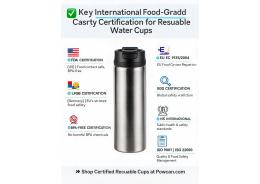
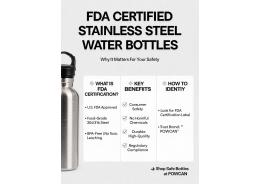
The base material of the drinkware determines its safety for daily use. OEM manufacturers should use food-safe materials like stainless steel, glass, or BPA-free plastic. Certifications such as FDA (U.S. Food and Drug Administration) approval or LFGB (German Food and Commodities Act) compliance indicate that the materials are safe for contact with food and beverages.
2. BPA-Free and Non-Toxic Standards
BPA (Bisphenol A) is a harmful chemical commonly found in plastics that can leach into beverages. Buyers should ensure that the manufacturing process avoids the use of BPA or other toxic chemicals. Look for certifications and labeling indicating the product is BPA-free and tested for non-toxicity.
3. Durability and Thermal Safety
Drinkware such as thermoses, tumblers, and mugs should be thermally safe and durable under different temperatures. Double-walled or vacuum-insulated designs must pass testing to prevent cracking, leakage, or burns. Check if the manufacturer adheres to ISO 9001 standards for quality management.
4. Compliance with International Regulations
Global markets have specific regulations for drinkware safety. To ensure compliance, wholesale buyers should confirm that the products meet standards such as:
- EU REACH: Ensures chemical safety in products sold within the European Union.
- California Proposition 65: Requires warning labels for products that expose consumers to harmful chemicals.
- RoHS: Restricts the use of hazardous substances in electronics and some drinkware manufacturing.
5. Lead and Cadmium Testing
Paints, coatings, and glazes used in drinkware, especially for ceramic or glass products, must be free of heavy metals like lead and cadmium. These substances are harmful if ingested and can leach into beverages over time. Ensure the manufacturer provides testing certifications from accredited labs.
6. Quality Management Systems
A reliable OEM manufacturer should follow strict quality management systems to maintain safety and consistency throughout production. Certifications such as ISO 14001 for environmental management can demonstrate the manufacturer’s commitment to sustainable and safe practices.
7. Third-Party Testing and Audits
Third-party testing is essential to validate safety standards and compliance. Choose manufacturers who subject their products to independent laboratory tests. Request testing results and audit reports to confirm adherence to safety norms.
8. Customization and Safe Printing Standards
For custom-branded drinkware, the inks and printing techniques used must also be compliant with safety standards. Solvent-free and non-toxic inks are recommended for logos and designs.
Conclusion
Safety standards are non-negotiable when selecting an OEM drinkware manufacturer. Working with a manufacturer like Powcan, known for its commitment to high-quality materials, regulatory compliance, and rigorous testing, can ensure both safety and satisfaction for your customers. By prioritizing certifications, third-party testing, and adherence to regulations, you can confidently deliver safe and reliable drinkware products in bulk.